Looking for a chain link fence in Vancouver, WA you can count on through the wet season? Gene builds them to hold their line in Clark County clay, sets the posts himself, and gives you a straight price before any work starts. Strong, affordable fencing from the owner who sets every post himself.
Most yards around here don't need a fortress. They need a fence that keeps the dog in, marks where your lot ends, and holds up to eight months of rain without fuss. That's what a chain link fence in Vancouver, WA gets chosen for, and done right, it does all three for years.
The catch is that chain link only stays tight if it's installed for our ground. Clark County clay swells when it's wet and shifts when it freezes, and a post that wasn't set deep enough starts to lean. Get the posts and tension right and the rest takes care of itself.
That's where Gene comes in. Every chain link install he takes on in Vancouver, WA, he handles personally, from walking your line to tying off the last bit of mesh. You deal with the owner the whole way through, start to finish.

Keeps pets and kids in. A secure boundary your dog can see through, sized to the height you need.
Marks your property line. A clean, clear edge between your yard and the next without walling off the light.
Shrugs off our winters. Galvanized steel that takes the rain and keeps standing when the ground heaves.
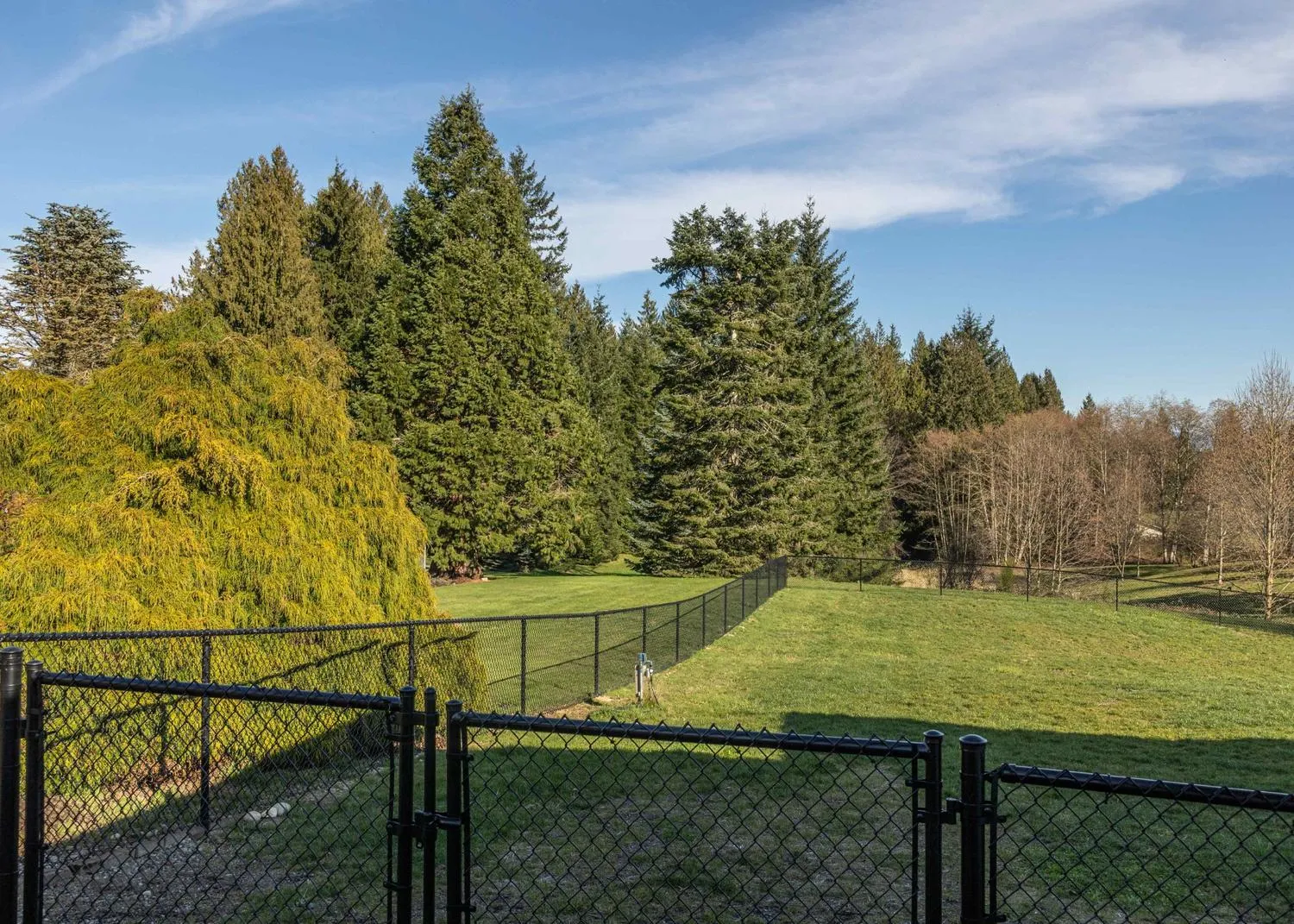
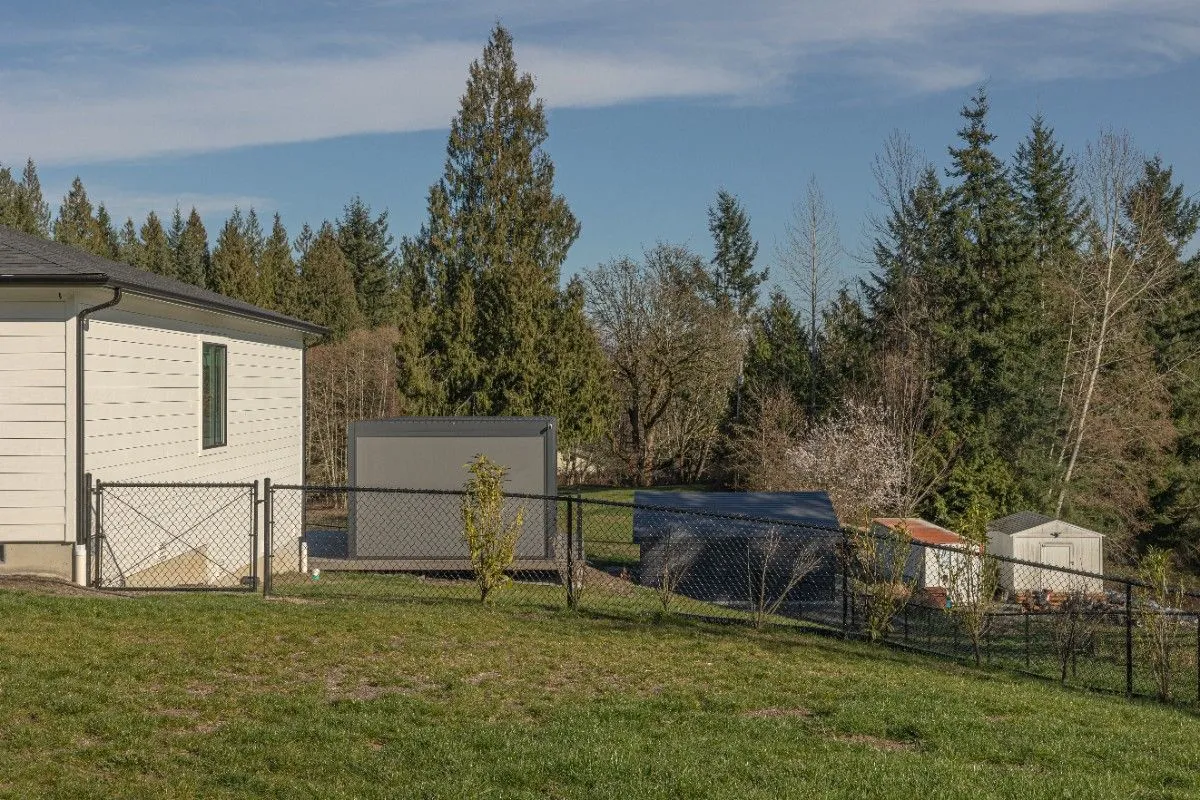
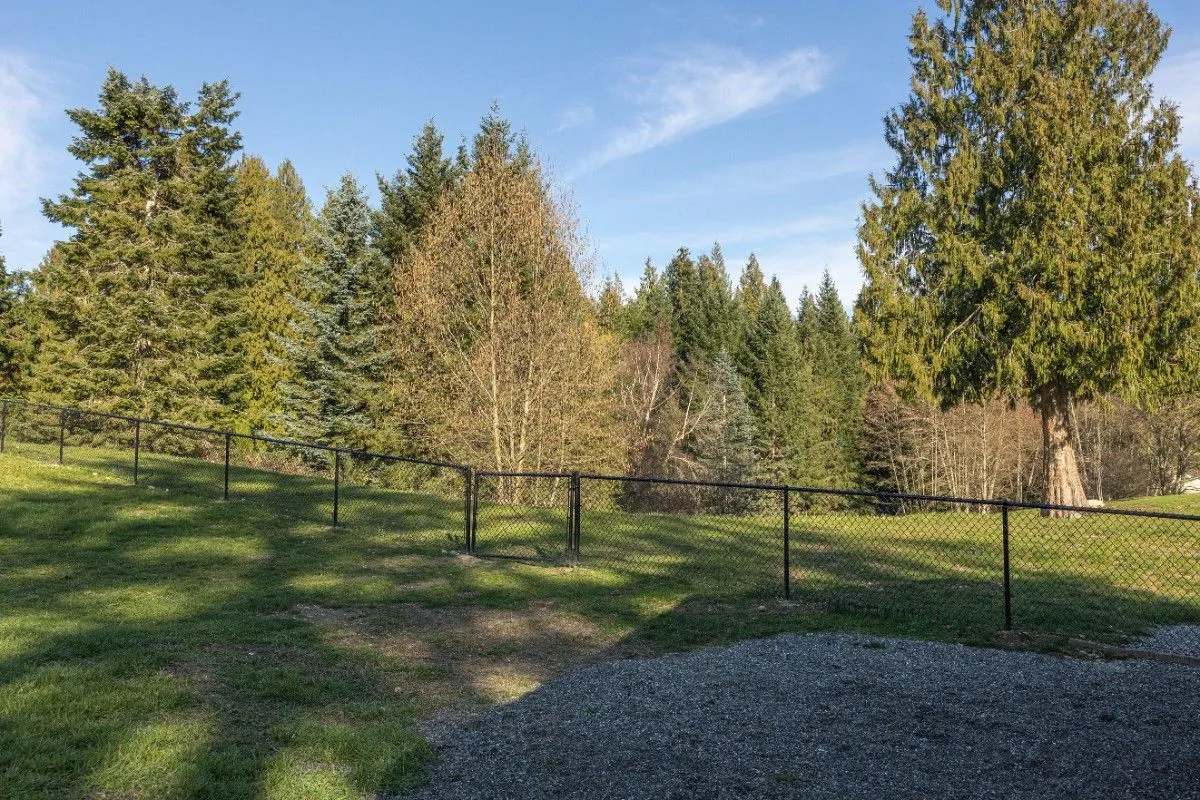
Chain link isn't one look anymore. Whether you want it practical, low-profile, or a little more polished, here's how the three options compare for a Vancouver yard.
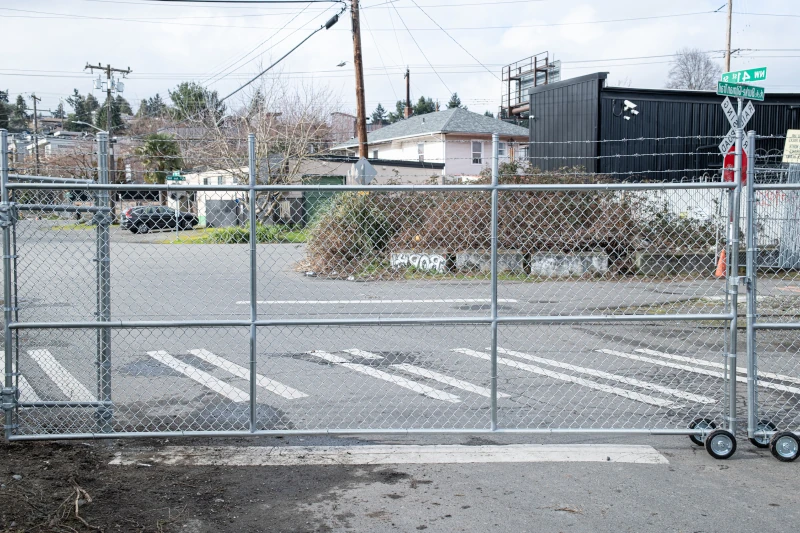
.webp)
Bright steel mesh that shrugs off our wet winters. The no-fuss pick, and easy on the budget.
.webp)
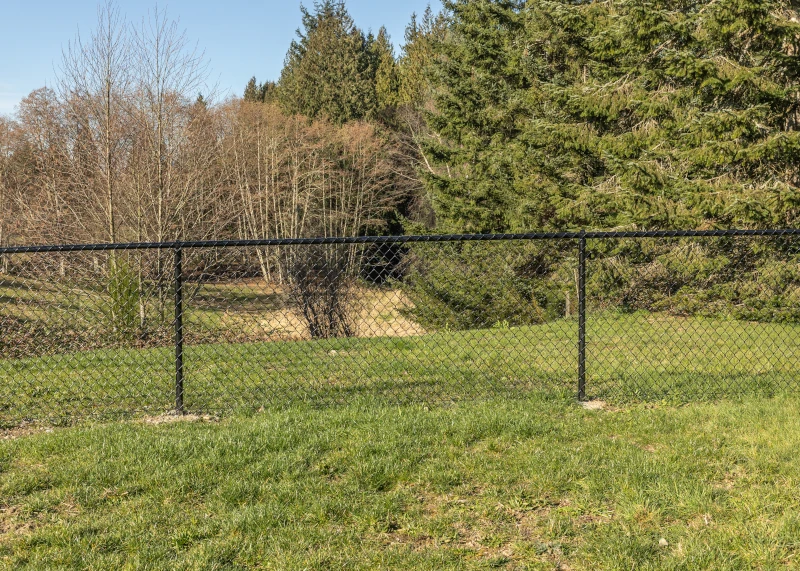
Coated steel that fades into hedges and tree lines. A cleaner look with the same tough backbone.
The person who gives you a price is the same one setting the posts. Here's how the job runs from the first call to the last detail.
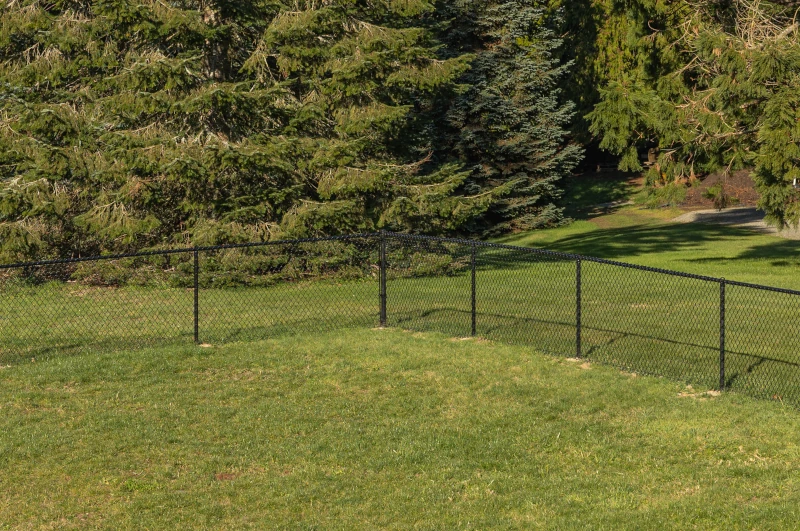
Gene starts on the ground, reading where the line runs, how the yard slopes, and what you're fencing for. What he finds here shapes the whole build.
Your estimate names the height, the gauge, and the finish, with the cost broken out so nothing's hiding in a lump sum. You'll know exactly what you're getting before Gene ever loads the truck.
Posts go in deep and concreted against Clark County clay, then the mesh is stretched tight and tied off. This is the step that decides whether a fence lasts, so Gene won't rush it.
When it's up, Gene walks the finished run with you, corner by corner, checking every tie and post along the line. The job is backed by our 2-Year Workmanship Warranty.
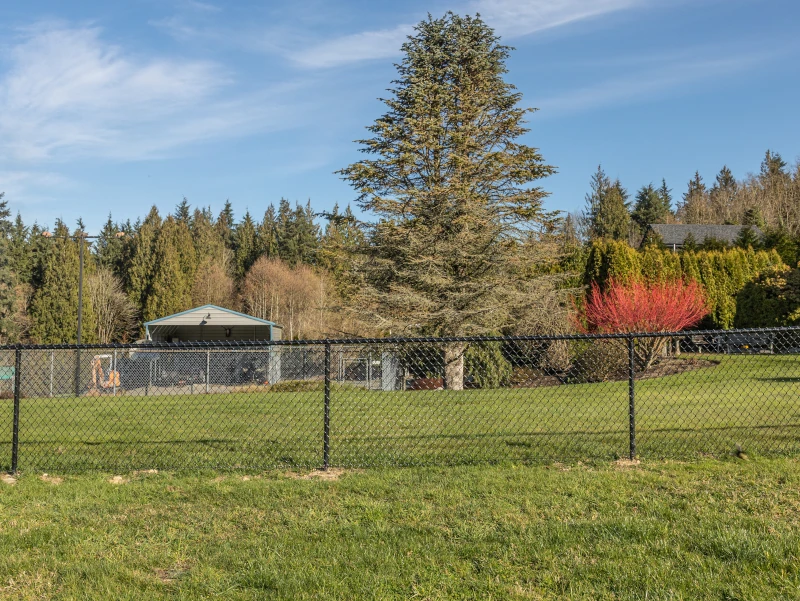
Anybody can stretch a run of chain link. The difference shows up a few winters later, when the posts are still plumb and the mesh is still tight. Here's what Vancouver homeowners had to say once their fence had been through a season or two.

Terek Fencing did an outstanding job from start to finish. Their team was professional, reliable, and paid close attention to detail throughout the entire project. The quality of workmanship exceeded my expectations, and the finished fence looks fantastic. They communicated clearly, showed up on time, and left the job site clean when they were done. I highly recommend Terek Fencing to anyone looking for quality work and excellent customer service.
Gene does great work !! Exceptional quality at a reasonable price . Our fence is now the standard for our neighborhood
Detailed & very honest. Always puts in effort to make sure the job is done the right way. I would highly recommend him to anyone needing fencing work.
Terek Fencing is Gene, and Gene is on every job. That's the whole pitch, and in this trade it's rarer than it should be.

Gene is the only person you'll deal with, from the first walk of your yard to the final tie on the mesh. What you agreed on is what he builds, because he's the one building it.
.webp)
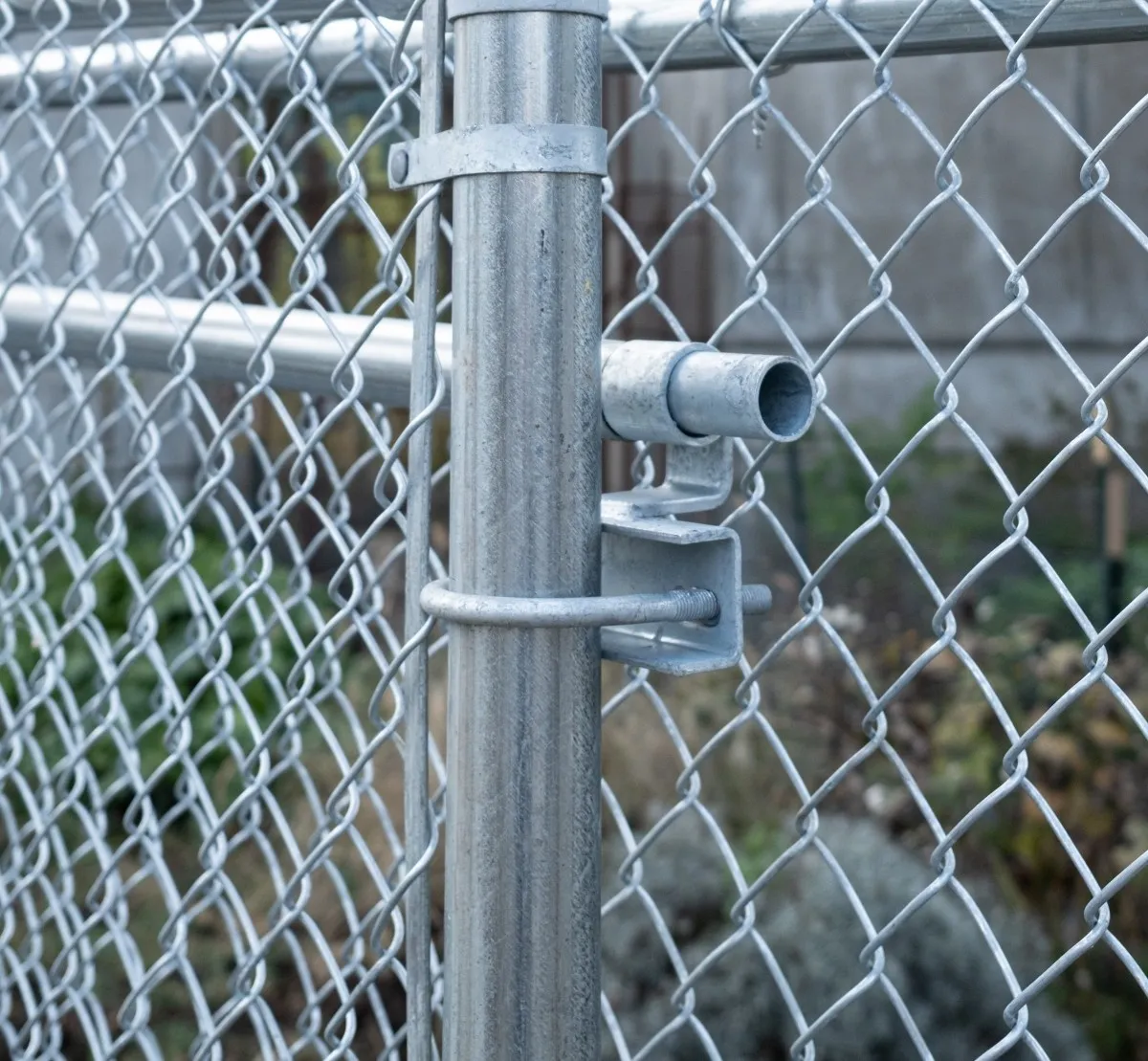
Clark County clay and wet winters pull apart fences that were set for easier soil. Gene installs for the conditions we actually have here, so yours stays tight through the season that tests it

Your estimate names the height, the gauge, and the finish, with the cost broken out. What Gene quotes is what you pay, with nothing waiting for you at the end.
.webp)
Wood and chain link are all Gene builds, and that focus is why he builds them well. A local shop that stays in its lane, right here in Vancouver.
Chain link earns its keep around here. It's the fence that does the practical jobs, keeping the dog in, marking your line, standing up to a long wet winter, without costing what a full privacy build runs. Here's where it fits best, and what makes it hold up in Clark County.
Vancouver yards take on more rain than most of the country, and chain link handles it without complaint.
This is the job chain link does better than almost anything for the price.
If you're fencing a big yard or a full property line, chain link makes the budget work.
Here's the catch, and the reason installation matters more than the material.
A lot of Clark County sits on clay that holds water. A terminal post that wasn't set deep or concreted right works loose once the winter rain saturates the ground and the freeze-thaw starts pushing. A fence stretched tight in July can be sagging at the corners by February.
Gene sets the posts for our soil and tensions the mesh so it stays taut, which is what separates a chain link fence in Vancouver, WA that lasts from one that leans inside a year.
Not every yard wants the same chain link. A dog run on a corner lot has different needs than a long property line backing onto greenbelt. Here's how the main choices compare, so you can see what fits before we pick up a tool.
A residential chain link fence at standard height handles most yards. Not sure which way to go? That's what the on-site visit is for. Gene will look at your lot, ask how you use the space, and help you settle on the setup that fits.
A wood fence needs sealing and attention to survive the rain here. Chain link mostly just needs to be left alone, which is half the reason people around Vancouver choose it. Here's the honest long-term picture.
This is chain link's real selling point in a wet climate.
It won't look brand new forever, and that's worth knowing up front.
Chain link forgives neglect better than wood, but a couple of small habits stretch its life.
No hard sell on the finish. Galvanized is the practical standard and black earns its cost on looks, and Gene will tell you which way he'd go on your yard and why.
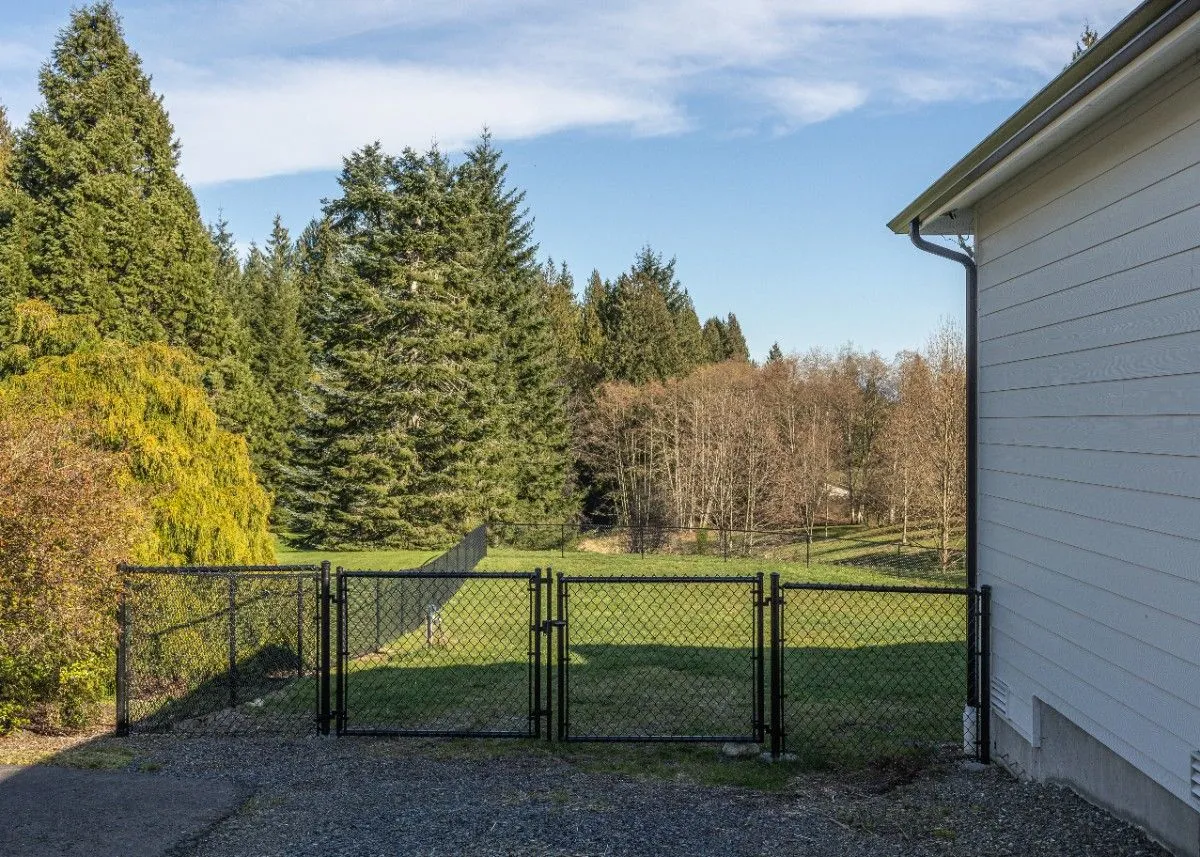
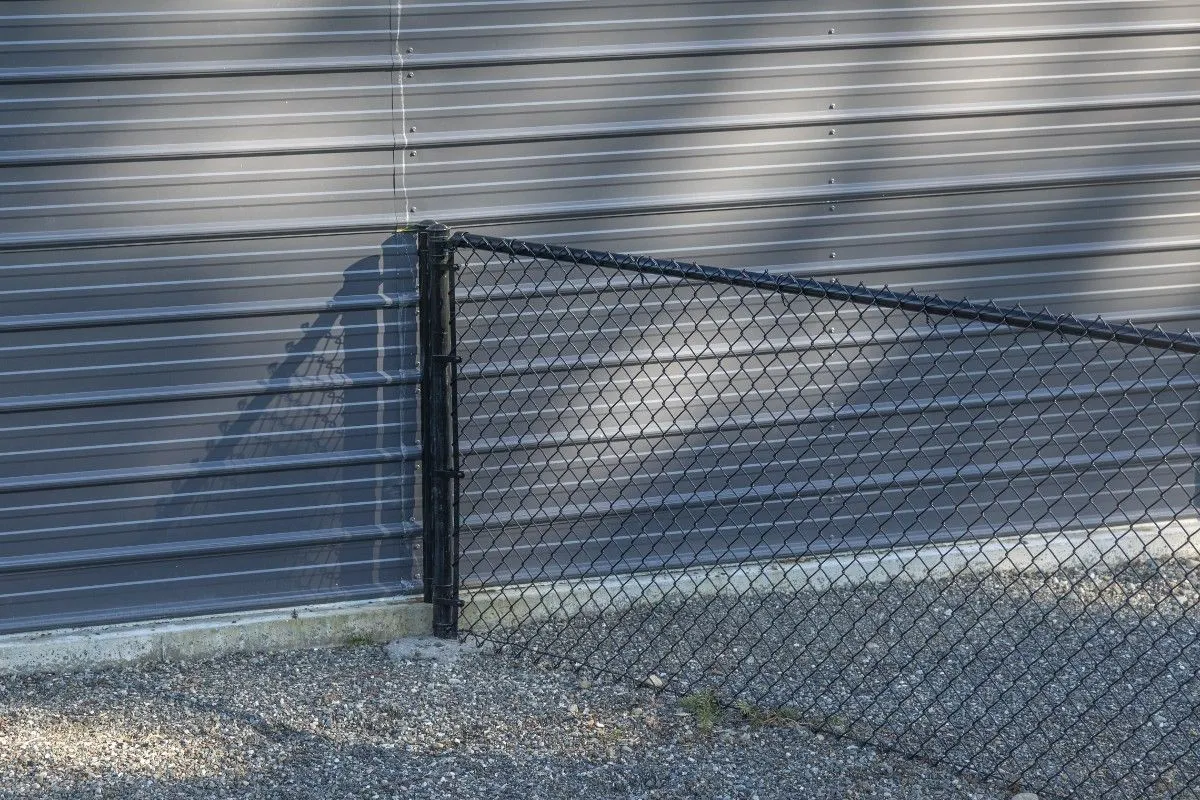
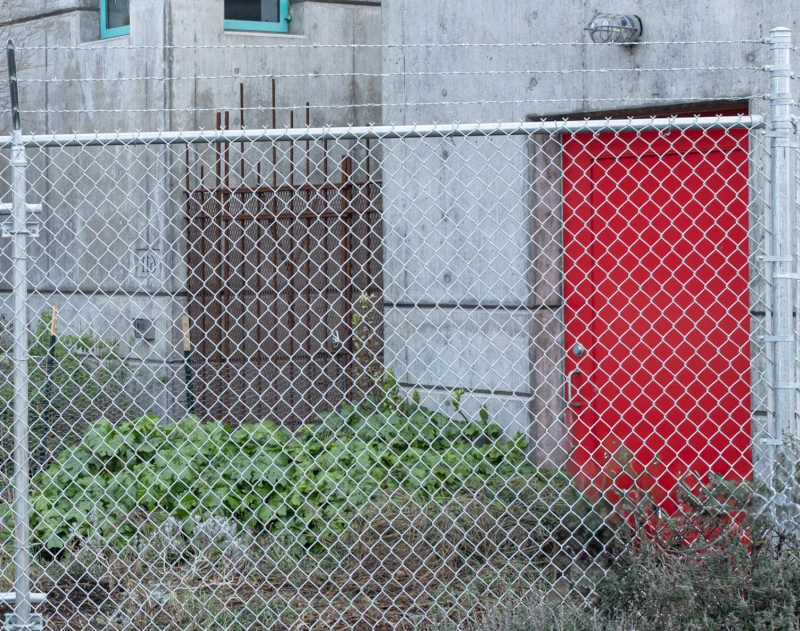
Before you book a chain link fence installation, here's what homeowners usually want to know.

It's the sensible choice when you want security and a clear boundary without the cost of a full privacy build. Great for pets, kids, long property lines, and side yards. If you're after full privacy or curb appeal out front, wood may be the better call, and Gene will tell you straight rather than sell you the bigger job.
A galvanized fence set properly lasts 20 or more years, even in our wet climate. The fences that fail early almost always failed at the posts, not the mesh. Set deep and concreted right, it stays put.
It's one of the best. Your dog can see out, so it settles instead of pacing a solid wall, and it holds up to a fence-runner far better than wood. Gene sizes the height to your dog, so a jumper stays in the yard.
Often yes, and the rules change depending on height and which side of the river you're on. Vancouver and Clark County have their own fence-height limits, and the Oregon towns set theirs separately. Gene knows the local thresholds and will flag anything that needs a permit before the work starts, so nothing gets torn out later.
We build to the line you can show us, whether that's a survey pin, a plat, or a marker you already know. If the boundary's genuinely unclear, Gene will tell you before he digs rather than guess and risk putting a fence where it has to come back out.
Yes, and a lot of Vancouver lots have some grade to them. The mesh gets stepped or raked to follow the ground so you don't end up with gaps underneath or an uneven top line. Gene reads the slope on the site visit and builds the run to match.
Most residential runs are done in a few days, depending on the length, the ground, and the weather. Gene gives you a realistic window with the quote, and if wet conditions push a concrete cure, he'll say so up front rather than leave you guessing.
Gene serves Vancouver and the surrounding Clark County towns, Camas, Washougal, Battle Ground, Ridgefield, La Center, and Yacolt, along with the greater Portland metro, including Beaverton, Hillsboro, Tigard, Tualatin, Sherwood, Oregon City, West Linn, Lake Oswego, Milwaukie, Gresham, Troutdale, Fairview, and Wood Village. If you don't see your town, reach out and he'll confirm he covers your spot.
Serving Vancouver and the greater Portland metro, tell Gene what you're after and he'll get you a clear quote. A straight answer from the person who'll do the work, not a sales desk.



Vancouver's family-run fence company. One owner, honest quotes, fences that hold up.
Contractors License :
WA# TEREKL*818Q6 | OR# 238620